



Picture this.
Your finance team needs a laptop purchased just a year ago. IT says it belongs to Marketing. Marketing believes it was transferred to Sales. Sales says the employee who used it left months ago.
After several phone calls and hours of searching, no one knows where the asset is.
This is a common challenge for growing businesses. As teams expand, offices multiply, and equipment moves between departments, tracking assets manually becomes increasingly difficult.
That's where asset tagging comes in.
Asset tagging gives every physical asset a unique identity, making it easier to know what you own, where it's located, and who is responsible for it. When combined with a centralized asset register, it improves visibility, reduces losses, and makes audits much simpler.
In this guide, we'll explore the best practices that can help your business build an effective asset tagging system.
What Is Asset Tagging?
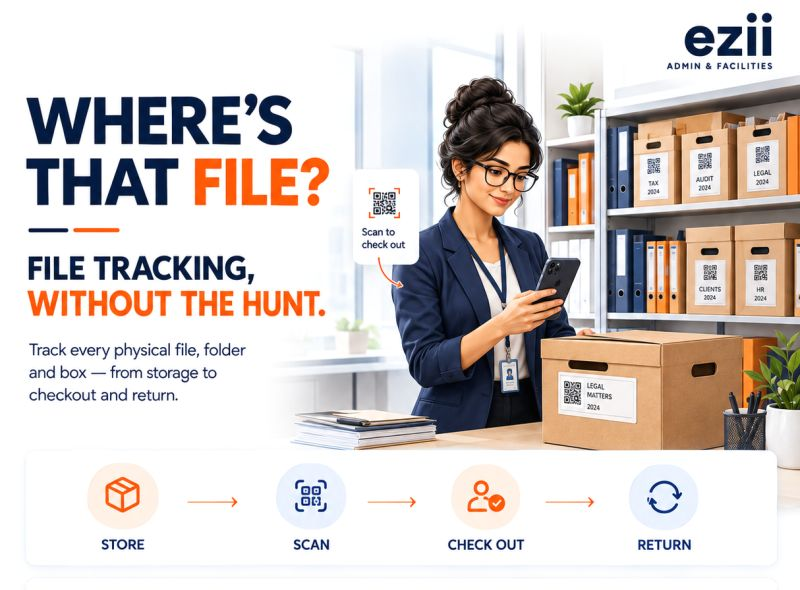
Asset tagging is the process of assigning a unique identification number, barcode, or QR code to every physical asset in an organization.
Each tag links to a digital record containing important details such as:
- Asset name
- Asset ID
- Purchase date
- Cost
- Department
- Location
- Custodian
- Warranty details
- Current status
Instead of relying on spreadsheets or memory, businesses can quickly identify and track assets throughout their lifecycle.
Why Asset Tagging Matters
Many businesses start by maintaining an Excel sheet for their assets. While this may work initially, it becomes harder to manage as the organization grows.
Without proper asset tagging, businesses often face problems such as:
- Assets being moved without records being updated
- Duplicate purchases because existing assets cannot be found
- Difficulty identifying who is responsible for equipment
- Time-consuming physical verification
- Incomplete records during audits
A structured asset tagging system creates accountability and provides a clear view of assets across the organization.
Best Practices for Asset Tagging
1. Create a Standard Naming Convention
Every asset should follow a consistent identification format.
For example:
- IT-LAP-00125
- OFF-CHAIR-00452
- MFG-MCH-00078
A standardized naming system makes searching, reporting, and auditing much easier.
2. Tag Assets Immediately After Purchase
One of the biggest mistakes businesses make is delaying asset tagging.
Every new asset should be tagged and recorded before it is assigned to an employee or department. This keeps your asset register accurate from day one and reduces the chances of missing records.
3. Use Durable Asset Labels
Asset labels should withstand the environment in which they are used.
Whether assets are located in offices, warehouses, factories, or outdoor sites, labels should be durable enough to resist scratches, moisture, and regular wear.
Replacing damaged labels later creates unnecessary work and increases the risk of losing track of assets.
4. Choose QR Codes for Better Tracking
Many organizations are replacing traditional asset stickers with QR codes.
A QR code allows users to instantly access an asset's information using a mobile device.
Instead of manually searching through records, teams can quickly view:
- Asset details
- Assigned custodian
- Current location
- Warranty information
- Maintenance history
- Verification records
This makes physical verification faster and significantly reduces manual effort.
5. Maintain a Centralized Asset Register
Asset tags are only effective when they are connected to accurate information.
Every tagged asset should be linked to a centralized digital register containing:
- Asset ID
- Category
- Purchase cost
- Purchase date
- Department
- Location
- Custodian
- Depreciation details
- Asset status
Maintaining a single source of truth helps eliminate duplicate records and improves reporting.
6. Record Every Asset Movement
Business assets rarely remain in the same place throughout their lifecycle.
Employees change departments, equipment moves between offices, and machinery is relocated to different facilities.
Whenever an asset changes location or custodian, its record should be updated immediately. Keeping movement history ensures better accountability and reduces confusion during audits.
7. Conduct Regular Physical Verification
Asset tagging is only effective if records remain accurate.
Businesses should verify their assets periodically to confirm that they are still in the recorded location and condition.
Regular verification helps identify:
- Missing assets
- Damaged equipment
- Incorrect locations
- Idle assets
- Outdated records
Routine checks improve data accuracy and make audit preparation much easier.
Common Mistakes to Avoid
Even organizations with an asset tagging system can encounter issues if proper processes are not followed. Some common mistakes include:
- Using duplicate asset IDs
- Maintaining multiple asset registers
- Forgetting to update transfers
- Applying poor-quality labels
- Waiting until audit season to verify assets
- Recording incomplete asset information
Establishing clear procedures helps avoid these problems and keeps asset records reliable throughout the year.
Why QR Code Asset Tagging Is Becoming the Standard
QR codes have transformed the way businesses manage assets.
Instead of manually searching for records, employees can simply scan an asset and instantly access all relevant information.
This improves:
- Asset identification
- Physical verification
- Maintenance tracking
- Asset transfers
- Audit preparation
- Overall operational efficiency
For businesses managing hundreds or thousands of assets, QR code-based asset tagging saves considerable time while improving accuracy.
How EZII Fixed Assets Helps
Managing assets through spreadsheets becomes increasingly difficult as businesses grow.
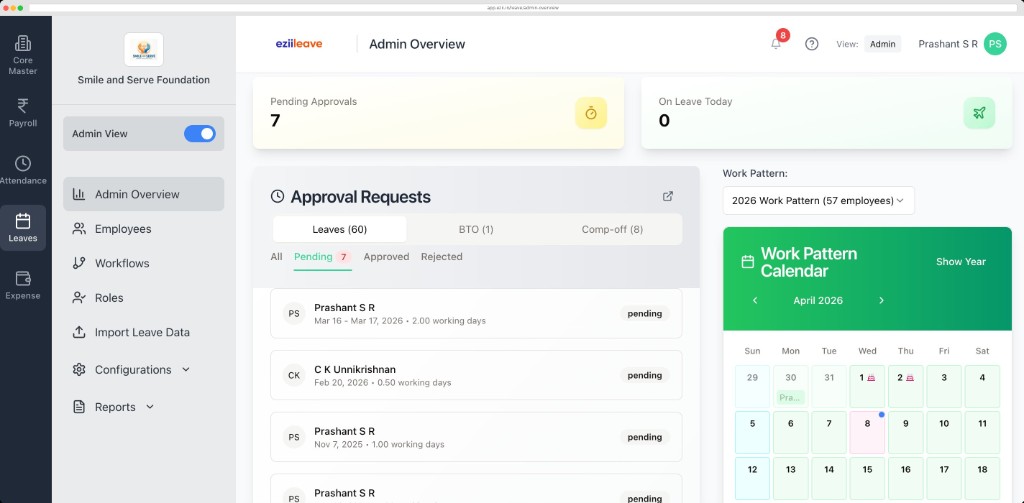
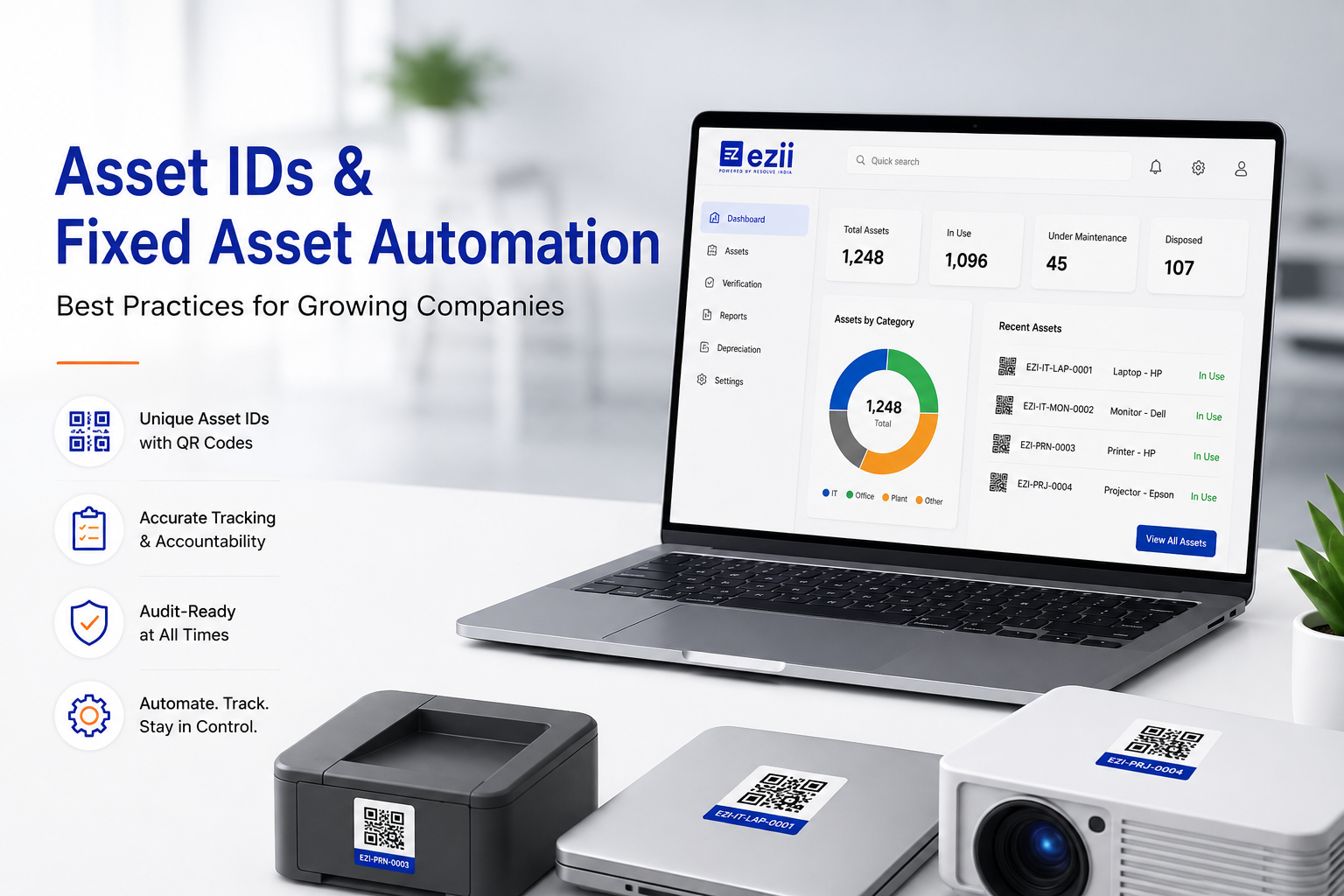
EZII Fixed Assets provides a centralized platform to simplify the entire asset management process.
With EZII, businesses can:
- Generate unique asset IDs
- Create QR codes for every asset
- Maintain a centralized digital asset register
- Assign assets to departments and custodians
- Track asset movements
- Conduct mobile-based physical verification
- Automate depreciation calculations
- Generate audit-ready reports
By combining asset tagging with digital asset management, businesses gain better visibility, stronger accountability, and more efficient operations.
Frequently Asked Questions
Conclusion
Ready to simplify asset management?
Move beyond spreadsheets with EZII Fixed Assets. Generate unique asset IDs and QR codes, maintain a centralized register, track movements, run mobile physical verification, and produce audit-ready reports — all in one platform.